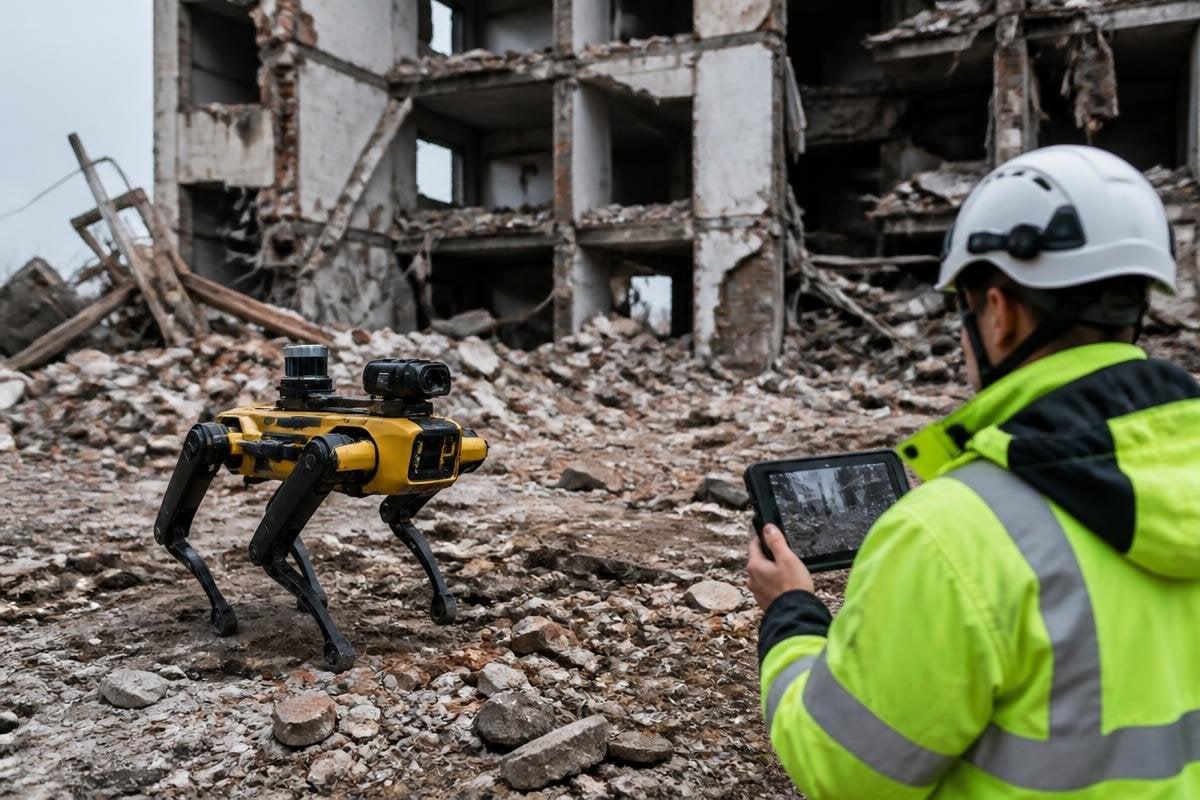
Introduction to Technology and Its Importance
In today's fast-paced world, the term Technology permeates nearly all aspects of life, shaping how we communicate, work, and interact with one another. Technology encompasses a vast array of disciplines, tools, and innovations that have dramatically transformed society. Understanding its relevance is essential to grasp the profound impact it has on our daily experiences.
Defining Technology in Modern Context
At its core, Technology can be defined as the application of scientific knowledge for practical purposes. It involves the integration of various methods, skills, and processes to create solutions that enhance the human experience. In modern contexts, Technology is often associated with fields like information technology, biotechnology, and environmental technology. Each of these areas utilizes different scientific principles to address specific challenges and needs.
Historical Evolution of Technology
The evolution of Technology can be traced back to the earliest human innovations, from the creation of simple tools like the wheel and fire to the complex digital systems we rely on today. Each technological advancement has played a pivotal role in shaping civilizations. For example, the Industrial Revolution introduced machinery and automated production lines, which drastically changed the labor market and economic structures.
The Role of Technology in Daily Life
Today, Technology is embedded in our everyday lives. It influences how we communicate through social media platforms, how we work with the emergence of remote working tools, and how we access information instantaneously via the internet. Moreover, smart home devices and mobile technology have made home management and personal productivity far more efficient, showcasing just how integral Technology is to our lifestyle.
Types of Technology and Their Applications
Information Technology and Communication
Information Technology (IT) refers to the use of computers and telecommunications equipment to store, retrieve, transmit, and manipulate data. The explosive growth of the internet has revolutionized how individuals and organizations communicate. Data sharing, video conferencing, and cloud storage are pivotal for modern businesses, allowing for global connectivity and collaboration.
Biotech and Medical Technology Advances
Biotechnology is a field where Technology intersects with biology to develop products and solutions for healthcare. This includes advancements in genetic engineering, pharmaceuticals, and medical devices. Technologies such as CRISPR gene editing and telemedicine platforms are not only improving patient care and outcomes but also enabling quicker and more efficient medical research.
Environmental Technology and Sustainability
Environmental Technology focuses on creating solutions for environmental issues such as climate change, pollution, and resource depletion. Innovations in renewable energy, waste management technology, and water purification systems exemplify this category. By harnessing Technology, society can develop sustainable practices that contribute to ecological preservation while meeting human needs.
Benefits of Technology in Society
Enhancing Efficiency and Productivity
Technology significantly boosts efficiency and productivity across various sectors. Automation of tasks, data analytics, and project management software reduce the time required to complete tasks and improve accuracy. For instance, manufacturing processes have become faster and more reliable due to robotics and automation technology.
Improving Communication and Connectivity
One of the biggest advantages of Technology is its ability to enhance communication. With tools like email, instant messaging, and video calls, distance is no longer a barrier. Virtual platforms enable real-time discussions and collaborations, making it easier for teams to connect irrespective of their geographical locations, fostering both personal and business relationships.
Driving Economic Growth and Opportunities
The infusion of Technology into economies has led to new industry creation and job opportunities. The rise of the tech industry provides countless employment possibilities, ranging from software development to cybersecurity. Moreover, Technology enables small businesses to reach a larger audience and compete in the marketplace through digital marketing and e-commerce platforms.
Challenges Associated with Technology
Technological Dependence and Its Consequences
While Technology brings numerous benefits, its increasing prevalence has fostered a dependency that raises concerns. Overreliance on Technology can diminish critical thinking skills and reduce personal interactions. As people grow accustomed to digital solutions, they may neglect traditional problem-solving methods and interpersonal communications, ultimately affecting their social dynamics and cognitive engagement.
Privacy and Security in the Digital Age
With the ongoing digital transformation, concerns surrounding privacy and data security have surged. Cyber-attacks, data breaches, and identity theft pose significant risks to individuals and organizations alike. As collecting and storing personal information becomes a standard practice, implementing robust security measures and promoting awareness about digital safety are paramount to protect against these threats.
Addressing the Digital Divide
The digital divide refers to the gap between those who have easy access to Technology and those who do not, often due to economic and geographical barriers. This disparity can hinder education, job opportunities, and overall economic stability for those lacking access to digital resources. Addressing this divide requires concerted efforts from governments, organizations, and communities to improve infrastructure and promote digital literacy.
The Future of Technology: Trends and Predictions
Artificial Intelligence and Automation Impact
Artificial intelligence (AI) and automation are poised to shape the future drastically. As businesses harness the power of AI to analyze massive datasets and improve decision-making, jobs requiring manual tasks are evolving. While automation may displace some jobs, it may also create new roles demanding technical skills, emphasizing the need for workforce adaptation and retraining programs.
Upcoming Innovations in Technology
Emerging technologies such as quantum computing, augmented reality, and 5G networks signal the next phase in technological advancements. Quantum computing has the potential to solve problems currently beyond reach, while augmented reality can enhance everyday experiences, ranging from entertainment to education. Keeping an eye on these trends will be essential for navigating the rapidly evolving technological landscape.
Preparing for Future Technological Challenges
To prepare for future technological challenges, individuals and organizations must prioritize adaptability and continuous learning. Embracing new tools and methodologies, fostering a culture of innovation, and staying informed about technological advancements will empower society to tackle emerging issues effectively. Collaborative efforts to establish ethical standards for Technology will also play a crucial role in ensuring a responsible digital future.