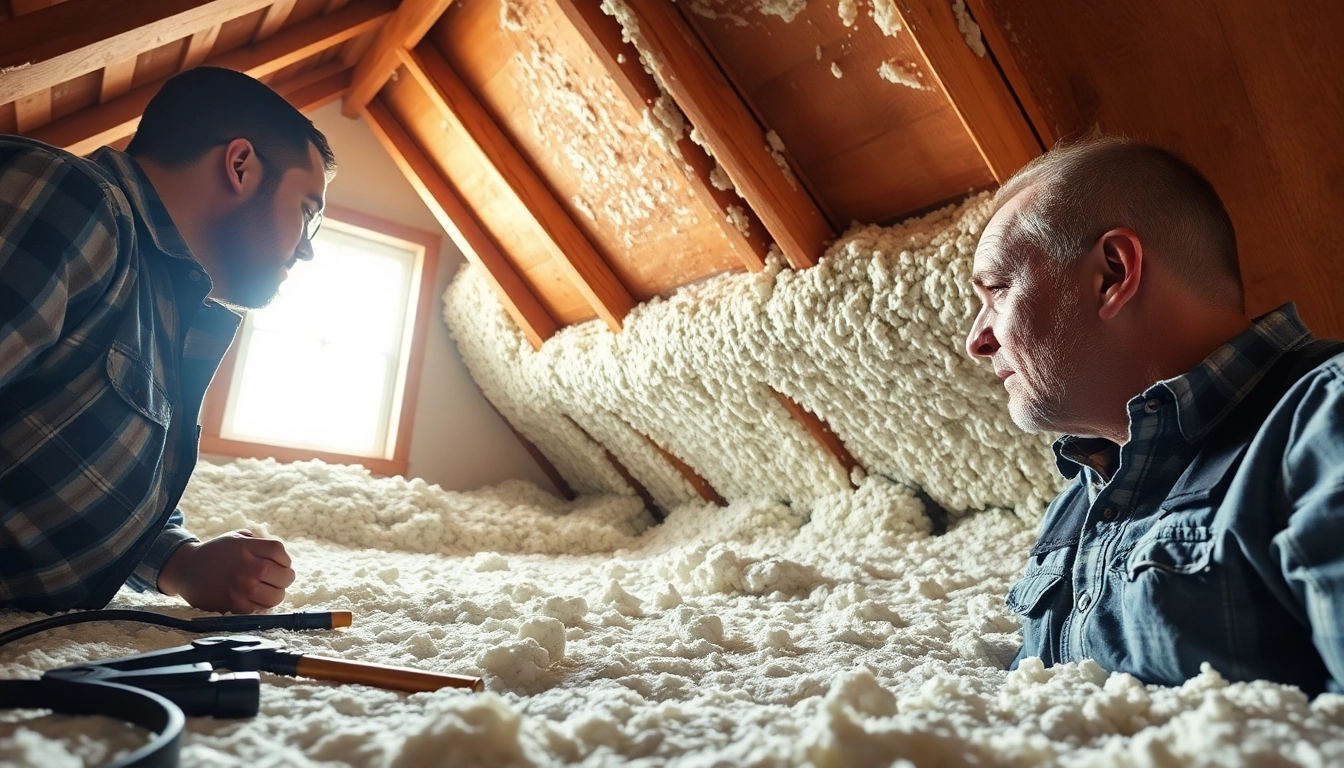
Introduction to Spray Foam Condensation Issues
Spray foam insulation has become increasingly popular among homeowners and builders due to its excellent thermal performance and energy efficiency. However, as with any insulation material, it’s not without its challenges. One of the most significant issues that can arise from spray foam insulation is condensation. Understanding spray foam condensation issues is crucial for maintaining the integrity of your insulation system and ensuring a healthy indoor environment. This article delves deep into what these issues are, their causes, impacts, and how to effectively manage them.
What Are Spray Foam Condensation Issues?
Spray foam condensation issues occur when moisture-laden air comes into contact with the cooler surfaces within your home, typically within or adjacent to spray foam insulation. When this happens, the humidity condenses on surfaces, leading to water accumulation that can cause various problems in both your insulation and the overall structural integrity of your home. This condensation can encourage mold growth, attract pests, and degrade the thermal performance of the insulation itself, leading to increased energy costs.
Common Signs of Condensation Problems
Recognizing the signs of condensation issues is essential for proactive management. Here are some key indicators:
- Visible moisture or water droplets on surfaces.
- Fogging on windows or mirrors.
- Staining showing up on walls or ceilings.
- Musty odors emanating from unseen areas.
- Presence of mold or mildew patches.
- Fluctuating indoor humidity levels.
If you notice any of these signs, it is vital to investigate and address the issue before it exacerbates.
Causes of Condensation in Spray Foam Insulation
The causes of condensation in spray foam insulation can vary widely, but several factors commonly contribute:
- Temperature Differences: When the inside air temperature significantly differs from the outside, and when humidity is present, condensation is likely to occur.
- Improper Ventilation: Inadequate airflow in areas like attics, crawl spaces, or basements can trap moist air, leading to condensation.
- Air Leaks: If the spray foam is not properly applied, gaps can lead to moist air infiltrating, resulting in condensation.
- High Indoor Humidity: Activities such as cooking, showering, or using humidifiers can increase indoor moisture levels.
Impact of Moisture on Insulation Performance
Why Is Moisture a Concern?
Moisture is detrimental to insulation mainly due to its ability to reduce thermal resistance. When spray foam insulation becomes wet, its R-value—the measure of insulation effectiveness—can decline rapidly. This inefficiency translates to higher energy bills as your heating and cooling systems work harder to maintain comfortable temperatures. Additionally, moisture can provide an environment conducive to mold growth, which can have severe health implications.
Long-Term Effects of Neglected Condensation
Ignoring condensation issues can lead to more significant long-term problems, including:
- Structural Damage: Prolonged moisture exposure can weaken structural components and cause wood rot, affecting beams, joists, and other load-bearing elements.
- Health Hazards: Mold and mildew can irritate respiratory systems, leading to allergies, asthma, and other health issues.
- Decreased Property Value: High moisture levels and the structural damage associated with them may reduce your property’s resale value.
Health Risks Associated with Humidity
Humidity and mold can pose serious health risks. Prolonged exposure to damp environments may lead to respiratory issues, allergic reactions, and other health concerns, particularly for vulnerable populations such as children, elderly individuals, and those with pre-existing conditions. Knowing how to manage humidity levels is essential for maintaining a safe and healthy living environment.
Identifying the Right Solutions
Assessing the Extent of Condensation Issues
The first step in tackling condensation issues is to conduct a thorough assessment. Homeowners can begin by inspecting the interior of their homes, focusing on attics and crawl spaces, where moisture accumulates. Look for water stains, mold growth, or musty odors, all of which indicate potential condensation problems. Monitoring humidity levels with a hygrometer can also provide insight into whether moisture levels are too high.
Methods to Prevent Future Condensation
Various strategies may help prevent condensation issues from arising:
- Improve Ventilation: Installing ventilation systems or ensuring existing vents are clear can greatly help in improving airflow, thus reducing humidity levels.
- Use Dehumidifiers: These devices can help maintain optimal humidity levels within your home, especially in high-moisture areas.
- Seal Air Leaks: Identify and seal gaps or cracks in your insulation to prevent the infiltration of moist air.
- Insulate Cold Surfaces: Make sure that all cold surfaces in your home, like pipes or uninsulated walls, are properly insulated.
Choosing the Right Insulation Materials
Not all insulation materials are created equal. When selecting insulation for areas prone to moisture, consider options that have moisture-resistant properties. Closed-cell spray foam, for example, acts as a moisture barrier and can reduce the risk of condensation significantly. Moreover, incorporating vapor barriers in areas prone to high humidity can prevent moisture from reaching the insulation.
Best Practices for Maintenance and Inspection
Regular Inspection Tips for Homeowners
Regular inspections are a crucial part of maintaining spray foam insulation and preventing condensation issues. Here are some tips:
- Conduct seasonal inspections, focusing on places often affected by humidity.
- Check for visible signs of water damage or mold.
- Monitor humidity levels regularly, aiming for a range between 30% and 50%.
- Keep records of inspections and any necessary repairs to track the condition over time.
When to Call a Professional
While some minor issues can be managed by homeowners, it’s essential to know when to call in a professional. If you notice extensive water damage, significant mold growth, or persistent high humidity levels despite your efforts to address the problem, a professional inspector can provide specialized knowledge and actionable solutions.
DIY Solutions for Minor Issues
For smaller condensation problems, homeowners can adopt several DIY solutions:
- Utilize exhaust fans in kitchens and bathrooms to reduce excess moisture.
- Place desiccants like silica gel in enclosed spaces to absorb moisture.
- Ensure to regularly clean and maintain gutters to prevent water intrusion.
- Keep indoor plants at a manageable quantity to avoid excessive humidity.
FAQs About Spray Foam Condensation Issues
What causes condensation in spray foam insulation?
Condensation in spray foam insulation typically results from temperature differences, improper ventilation, air leaks, and high indoor humidity.
How can I prevent spray foam condensation?
Prevent condensation by improving ventilation, using dehumidifiers, sealing air leaks, and using moisture-resistant insulation materials.
Are there signs that my insulation is compromised?
Signs of compromised insulation include visible moisture, water stains, fogging on windows, and the presence of mold or mildew.
Should I consult a professional for minor condensation?
Consult a professional if you observe persistent or extensive moisture issues, as they can provide expert insight and effective solutions.
What materials help mitigate condensation?
Materials like closed-cell spray foam and vapor barriers can help mitigate condensation by acting as moisture barriers and improving insulation performance.