
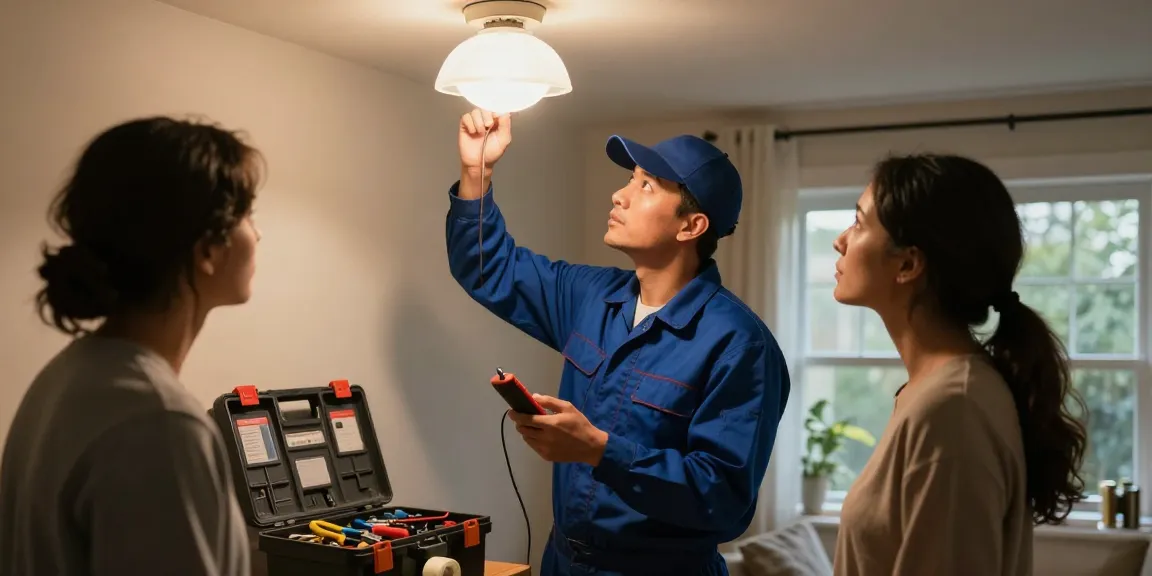
Understanding the Importance of Emergency Electrical Support
Electrical issues can arise unexpectedly, often leading to potentially dangerous situations that require immediate attention. Emergency electrical support is crucial for ensuring that your home or business remains safe and functional. Having a reliable service available can make all the difference during a crisis. Understanding the nature of emergency electrical situations, the signs to look for, and the importance of having professional assistance on standby is vital for any property owner. When exploring options, emergency electrical support provides comprehensive insights that can help navigate these challenges effectively.
What is Emergency Electrical Support?
Emergency electrical support refers to the immediate assistance provided by certified electricians in response to urgent electrical problems. These issues can include power outages, electrical fires, exposed wiring, or circuit overloads. Unlike regular maintenance or non-urgent repairs, emergency services are designed to address high-risk situations that pose immediate threats to safety and functionality.
Common Situations Requiring Immediate Electrical Help
- Power Outages: Sudden loss of power can indicate serious electrical failures that need immediate diagnosis.
- Electrical Fires: If you notice smoke, burning smells, or sparks, evacuate the area and call for help immediately.
- Exposed Wires: Frayed or exposed wiring presents a high risk of shock or electrocution.
- Flickering Lights: Frequent flickering can indicate underlying electrical issues that could escalate into a larger problem.
- Tripped Circuits: If circuit breakers trip repeatedly, it may be a sign of overload or faulty wiring.
Why Timely Response Matters
A prompt response to electrical emergencies can prevent property damage and ensure the safety of occupants. Delaying repairs can lead to more severe issues, including fires and electrocution risks. Moreover, rapid action can save money in the long run by addressing problems before they escalate into costly repairs or legal liabilities.
Identifying Electrical Hazards in Your Home
Signs of Electrical Issues to Watch For
Recognizing the early signs of electrical issues can help mitigate risks. Homeowners should look out for:
- Burning Smells: Any unusual odor could indicate overheating wires.
- Buzzing Sounds: Persistent buzzing or humming sounds from outlets or light fixtures can signal problems.
- Hot Switches or Outlets: If switches or outlets are warm to the touch, it may indicate overloaded circuits or faulty wiring.
- Frequent Blown Fuses: If fuses blow often, it’s a sign that the circuit is overloaded and should be inspected.
Common Electrical Risks and Precautions
Understanding common electrical risks enables homeowners to take preventive measures. Alongside the signs mentioned, ensure the following precautions are in place:
- Use surge protectors for sensitive electronics.
- Do not overload power strips.
- Ensure children are educated about electrical safety.
- Schedule regular electrical inspections by a licensed electrician.
How to Safely Handle Minor Electrical Problems
While professional help is crucial for major issues, some minor electrical problems can be safely addressed by homeowners:
- Resetting Circuit Breakers: If a circuit trips, safely reset it, but be cautious of repeated issues.
- Replacing Fuses: If you have a fuse box, replacing blown fuses can often be a quick fix.
- Changing Light Bulbs: Always turn off the light before changing a bulb to avoid shock.
When to Call for Professional Help
Assessing Emergency Electrical Situations
It’s essential to assess the severity of the electrical problem at hand. When faced with any of the signs mentioned, or if there’s uncertainty about the safety of your electrical system, it’s best to err on the side of caution and contact a licensed electrician. Determining the right time to call for help can be the difference between a minor issue and a substantial hazard.
Choosing the Right Emergency Electrician
When selecting an emergency electrician, consider their credentials, availability, and experience. Ensure that they are licensed and insured to protect yourself from potential liabilities. Reading reviews and asking for recommendations can also help in choosing a reliable professional.
Questions to Ask When Hiring Electrical Support Services
Before hiring an emergency electrician, asking the right questions can ensure quality service:
- What is your response time for emergency calls?
- Are you licensed and insured?
- Can you provide references or testimonials?
- What are your rates for emergency services?
- Do you offer a warranty for your work?
Best Practices for Electrical Safety at Home
Regular Maintenance Tips for Homeowners
Regular maintenance is key to preventing electrical emergencies. Homeowners should consider the following tips:
- Schedule periodic inspections with a licensed electrician.
- Keep track of electrical load and avoid overloading circuits.
- Maintain clear access to all electrical panels and outlets for easy inspection.
- Replace outdated wiring and fixtures as necessary.
Installing Safety Devices to Prevent Emergencies
Implementing safety devices can significantly reduce electrical risks. Consider installing:
- Smoke Detectors: Ensure they are placed in key areas of your home and conduct regular tests.
- Ground Fault Circuit Interrupters (GFCIs): These devices can prevent electrocution in wet areas like kitchens and bathrooms.
- Surge Protectors: Protect your equipment from voltage spikes.
Educating Family Members About Electrical Safety
Education is essential in preventing electrical accidents. Ensure all family members understand basic electrical safety measures, such as:
- Knowing how to respond in case of an emergency.
- Understanding the importance of not playing with electrical devices or outlets.
- Recognizing signs of electrical problems.
The Future of Emergency Electrical Support
Emerging Technologies in Electrical Safety
The electrical industry is evolving with new technologies aimed at enhancing safety and efficiency. Innovations such as smart home systems can monitor electrical usage and identify faults before they lead to emergencies. Additionally, the integration of AI in electrical systems can help predict and prevent potential issues.
Trends in Emergency Response for Electricians
As consumer expectations rise, the demand for quicker emergency response times is increasing. Electricians are adapting by implementing new communication technologies to provide immediate updates to clients during emergencies. This shift not only improves service efficiency but also enhances client trust.
Predictions for Electrical Safety Standards by 2026
By 2026, it is predicted that electrical safety standards will become even more stringent. With the increasing adoption of renewable energy sources and electric vehicles, regulations will likely evolve to accommodate these changes. This will include enhanced training for electricians on new technologies and updated codes for installations.
What should I do if I have a power outage?
In the event of a power outage, first check if the problem is localized to your home or if it’s a wider issue. Ensure that your circuit breakers are functioning and that your main switch is in the ‘on’ position. If the outage persists, contact your utility provider.
How can I prevent electrical fires in my home?
To prevent electrical fires, regularly inspect your electrical systems, avoid overloading outlets, and use only one high-wattage appliance per outlet. Installing smoke detectors and having a fire extinguisher readily available can also be life-saving precautions.
What qualifications should I look for in an emergency electrician?
When hiring an emergency electrician, it’s crucial to ensure they have the appropriate licenses, certifications, and insurances. Additionally, experience in handling emergency situations is vital for effective problem resolution.
Are there any DIY fixes for common electrical problems?
While some minor electrical issues like replacing bulbs or resetting circuit breakers can be handled DIY, it’s always recommended to consult with a professional for complicated problems. DIY approaches can lead to further complications and safety hazards if not done correctly.
How can I assess the safety of older electrical systems?
Assessing older electrical systems involves checking for outdated wiring, ensuring that circuit breakers are functioning correctly, and confirming that all outlets and switches are in excellent condition. Consulting with a licensed electrician for a thorough inspection is advisable.
