
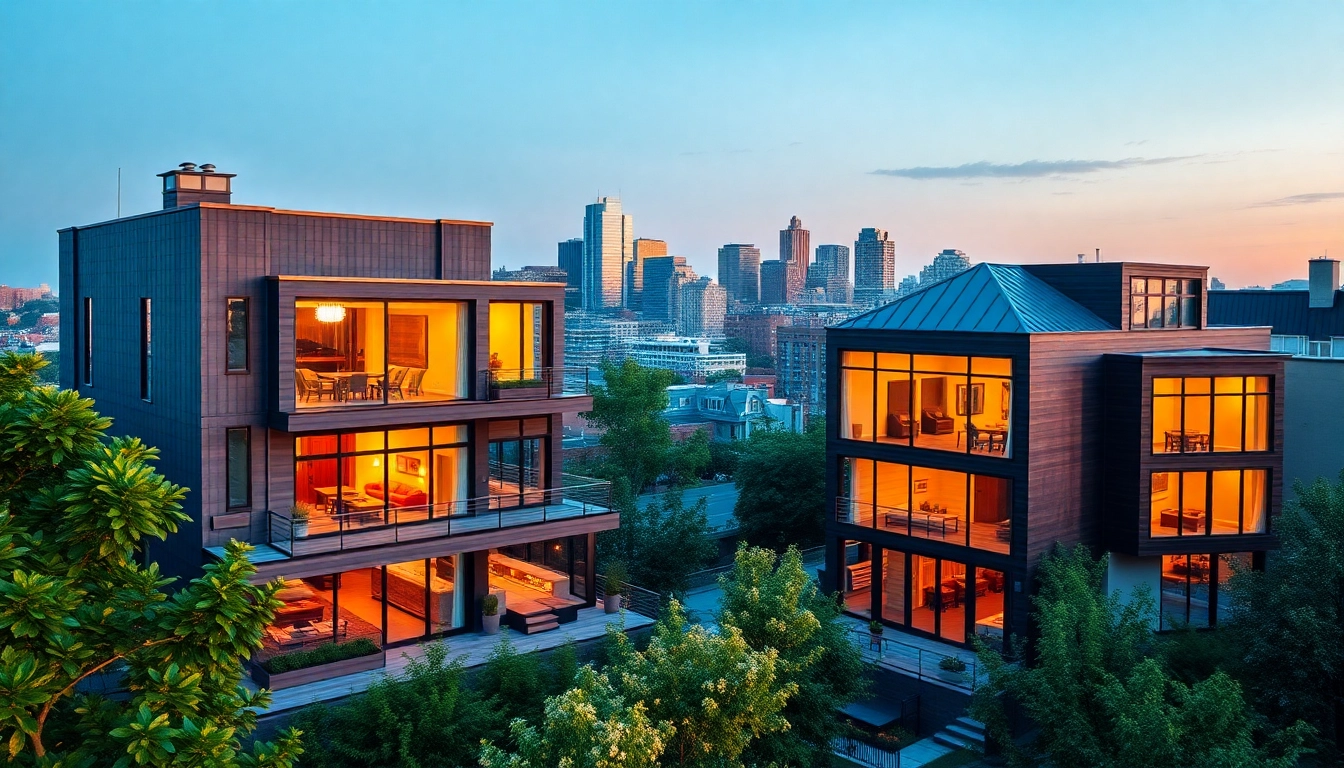
Understanding Boston Residential Architecture
Boston, a city rich in history and diversity, boasts a unique architectural landscape that reflects its cultural heritage and evolving urban design. Among the countless professionals shaping this framework is a dedicated Boston residential architecture firm that embodies innovation and tradition. This article delves into the historical context, key design features, and sustainability practices that define Boston’s residential architecture.
Historical Context and Style Evolution
Boston’s architecture tells a story of adaptation and transformation over the centuries. From colonial beginnings to contemporary designs, the city has witnessed a myriad of architectural styles. The earliest structures, built in the 17th and 18th centuries, featured colonial aesthetics characterized by symmetry, brick facades, and a compact footprint. Landmark buildings from this period include the Paul Revere House and the Old North Church, both of which offer a glimpse into Boston’s colonial past.
As the 19th century dawned, the city embraced the Federal and Victorian styles, evident in the brownstone townhouses that line many neighborhoods. The Victorian era introduced elaborate ornamentation and varied textures, as exemplified by the ornate façades of the Back Bay area. Architectural movements evolved, leading to the emergence of the Arts and Crafts style in the early 20th century, emphasizing craftsmanship and natural materials.
Today, Boston’s architectural identity is a blend of historical elements and modern practices. The incorporation of new materials, innovative design techniques, and a focus on functionality and sustainability exemplify the work of a top-tier Boston residential architecture firm, shaping homes that resonate with the city’s rich narrative while catering to contemporary needs.
Key Features of Residential Designs
In designing residential spaces, architects employ several key features that enhance both aesthetics and functionality. One hallmark of Boston’s residential architecture is the integration of indoor and outdoor spaces. Many homes feature large windows, balconies, and terraces, allowing for a seamless transition and a strong connection to the surrounding environment.
Architectural diversity is another defining aspect of Boston’s residential designs. The city is known for its eclectic mix of styles, from the historic character of row houses to the sleek lines of modern constructions. Moreover, traditional details such as cornices, gables, and wrought-iron railings are often juxtaposed with contemporary elements, creating visually compelling contrasts.
Smart designs also focus on maximizing space utilization. Open floor plans are increasingly popular in new constructions, promoting fluidity between rooms and allowing for a more social living environment. Additionally, space-saving features such as built-in storage and flexible layouts cater to the dynamic lifestyles of urban residents, affirming the need for practicality in modern design.
The Role of Sustainability in Architecture
The push for sustainability is changing the face of architecture worldwide, and Boston is no exception. Forward-thinking architects prioritize environmental considerations, incorporating energy-efficient solutions, sustainable materials, and innovative waste management practices into their designs.
Passive design strategies, for example, minimize energy consumption through proper orientation, natural ventilation, and strategic use of sunlight. Green roofs, solar panels, and rainwater harvesting systems are gaining traction, significantly reducing a home’s carbon footprint. Furthermore, the use of reclaimed materials not only lessens environmental impact but also adds character and history to new constructions.
As homeowners befriend sustainability, they also demand designs that foster healthier living environments. Modern residential spaces are increasingly built with healthier materials that improve indoor air quality, such as low-VOC paints and non-toxic finishes. These efforts reflect a broader understanding that sustainable architecture transcends merely environmental benefits; it also nurtures community well-being.
Services Offered by a Boston Residential Architecture Firm
A full-service Boston residential architecture firm provides a range of services that cater to the diverse needs of homeowners. These services are integral to realizing unique visions while navigating the complexities of construction and design.
Custom Home Design Solutions
Custom home design is at the heart of what a Boston residential architecture firm offers. Each project begins with an understanding of the homeowner’s vision, lifestyle, and preferences. Through collaboration, architects craft tailored solutions that merge creativity with practicality. This bespoke approach not only results in aesthetically pleasing designs but also functional homes that serve their inhabitants for years to come.
Architects often employ advanced design technologies, like 3D modeling and virtual reality, to visualize concepts before they materialize. This technological integration enhances communication between clients and designers, facilitating adjustments and ensuring the final design meets all expectations.
Renovations and Additions
As families grow and lifestyles shift, the need for renovations and additions becomes apparent. A Boston residential architecture firm excels in reimagining existing spaces, offering innovative solutions to enhance residential functionality. Whether updating kitchens, expanding living rooms, or creating outdoor living areas, renovation projects are tailored to harmoniously blend with the original structure.
When working on renovations, architects consider factors such as structural integrity, historical significance, and compliance with local regulations. This meticulous attention ensures that enhancements retain the character of the property while meeting modern standards.
Consultation and Project Management
In addition to design-focused services, a Boston residential architecture firm plays a vital role in project management. From initial consultations to the final touches, these professionals guide clients through each phase of the process. This includes site assessments, budget planning, contractor selection, and compliance with zoning laws.
A collaborative atmosphere fosters open communication, enabling clients to stay informed and engaged throughout the construction process. This transparency not only builds trust but also ensures that the project adheres to timelines and budgets, alleviating the common stresses associated with building or renovating a home.
Collaborative Process with Clients
The collaborative design process is critical to the success of residential architecture. Each project is a partnership between clients and architects, where diverse perspectives converge to create an optimal living environment that reflects both personal and community values.
Initial Consultation and Vision Development
The journey begins with an initial consultation, where architects engage with clients to gather insights about their lifestyle, preferences, and eventual goals. This discussion becomes the foundation for the project, defining scope, specific requirements, and design aspirations. Understanding the client’s vision involves deep listening and probing questions that uncover underlying desires and practical needs.
Progressive Design Iteration
Once the vision is established, the design phase entails overlapping iterations where ideas evolve and refine through feedback. Early concept sketches and mood boards initiate dialogue about aesthetics, functionality, and spatial arrangements. Incorporating input throughout this phase ensures the final design aligns with the client’s aspirations and addresses any concerns.
Regular check-ins allow for adjustments and enable architects to accommodate any changes, fostering a deeper connection between the client and the design process.
Finalizing Plans and Approvals
The finalization stage is critical as it solidifies the vision into actionable plans. Architects create detailed blueprints that encompass all aspects of the project, from structural elements to interior finishes. With thorough documentation, securing the necessary permits and approvals becomes a streamlined process.
Effective project management encompasses timelines and budgets, ensuring all elements progress according to plan. By collaborating through each step, clients gain confidence in both the design and the journey, ultimately leading to a successful project outcome.
Showcase of Successful Projects
Showcasing successful projects not only exemplifies the creative capabilities of a Boston residential architecture firm but also serves to inspire future clients. Each project tells its unique story, demonstrating how innovation and tradition harmoniously coexist to create exceptional living spaces.
Modern Family Homes
Modern family homes prioritize open spaces and flexible layouts that adapt to the changing needs of families. Residential designs often feature spacious living areas, gourmet kitchens with modern appliances, and well-defined outdoor spaces designed for family gatherings. Through thoughtful planning that enhances connectivity and comfort, modern homes provide not just a shelter but also a nurturing environment for families.
Urban Apartments with Character
Urban apartments in Boston have become a canvas for creative architectural expression. These spaces often marry historic charm with contemporary elements, preserving the character of older buildings while incorporating modern amenities. The result is vibrant spaces that reflect the lifestyle of urban dwellers, complete with communal areas and sustainable features, enhancing the living experience within the city.
Landmark Renovations in Historic Districts
In historic districts, renovations require a nuanced approach to maintain architectural integrity while updating for modern use. Successful projects in these areas highlight the delicate balance between preserving historical elements and introducing contemporary features, ensuring that renovated homes reflect their original character. These transformations enhance property values while contributing positively to the neighborhood’s visual narrative.
FAQs about Boston Residential Architecture Firm
What services do you offer?
Our services include custom home design, renovations, project management, and consultation. We cater to a variety of residential needs, ensuring each project reflects the unique vision of our clients.
How do you ensure project sustainability?
Sustainability is prioritized through energy-efficient designs, eco-friendly materials, and innovative building practices, all aimed at reducing environmental impact while enhancing livability.
Can you work with my budget?
Absolutely! We collaborate closely with clients to understand their budget constraints and develop tailored design solutions that align with their financial parameters.
What is your design process?
Our design process involves initial consultations, progressive iterations of design ideas, and finalizing plans while maintaining open communication and collaboration with clients throughout.
How long does a project typically take?
The duration of a project varies based on complexity and client needs. Generally, the design process and construction can range from several months to over a year, depending on the specifics involved.

