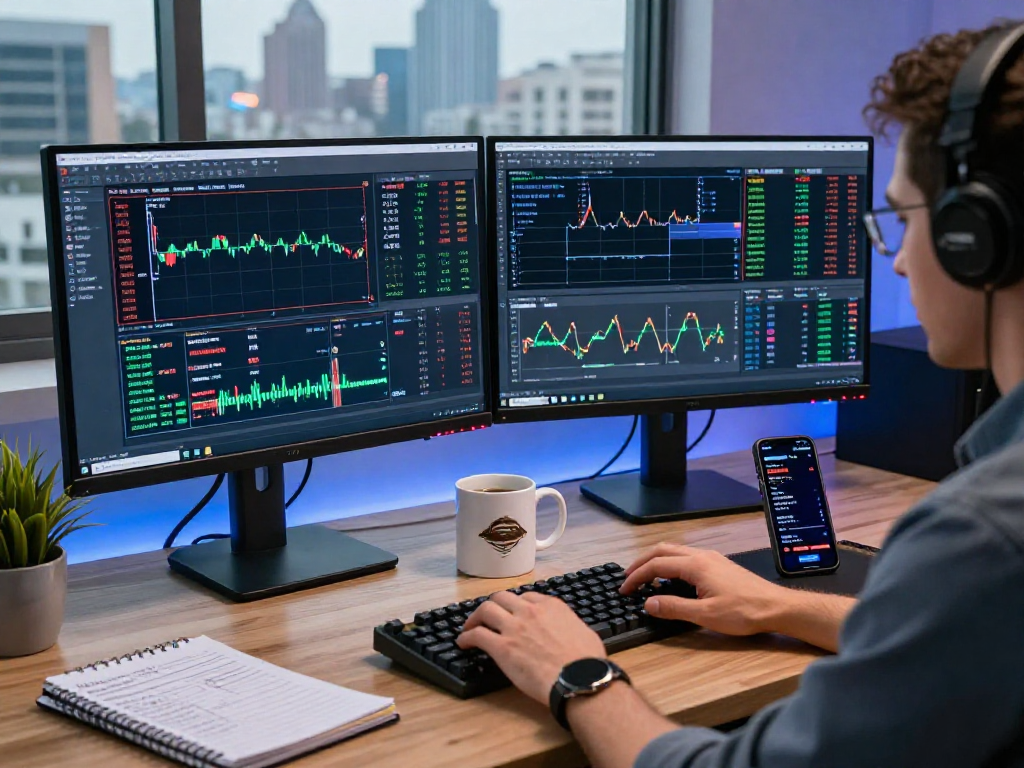
Understanding the US Algo Trading Stock API Landscape
In an increasingly digital world where speed and accuracy define trading success, the demand for robust trading solutions has surged. Enter the US algo trading stock API, a tool designed for developers, researchers, and trading platforms aiming to harness the power of quantitative trading. These APIs facilitate real-time and historical market data access, enabling users to create sophisticated trading strategies that leverage diverse market information from over 50 exchanges worldwide. Understanding these APIs is crucial for anyone involved in today's algorithmic trading landscape.
What is the US Algo Trading Stock API?
The US algo trading stock API provides developers and institutions with easy access to real-time stock market data. This API allows for the ingestion of various types of data, including price feeds, trading volume, and historical performance metrics. With technologies such as WebSocket and RESTful API standards, users can design applications that respond quickly to market changes, essential for executing successful trades in fast-paced environments.
Key Features of Effective Trading APIs
- Real-Time Data Access: The ability to receive live updates is a crucial feature for any trading API. Delays in data can lead to missed opportunities or increased risks.
- Historical Data Availability: Access to historical data helps traders backtest strategies and analyze market trends over time.
- Ease of Integration: A well-designed API should allow for seamless integration with existing platforms and tools, reducing the time and effort needed to implement trading strategies.
- Scalability: As trading volumes grow, the API must support increased demand without compromising performance.
The Importance of Real-Time Data for Traders
Real-time data is the backbone of successful trading algorithms. Traders depend on immediate updates to make informed decisions. Without access to this data, there's a significant risk of trades being executed based on outdated information. Real-time data helps traders capitalize on fleeting market opportunities and manage risks more effectively.
Choosing the Right US Algo Trading Stock API
In the quest to identify the best US algo trading stock API, traders must consider several factors, including performance, features, and cost. The API's ability to meet specific trading needs can make a substantial difference in overall trading success.
Comparative Analysis of Popular Trading APIs
While numerous trading APIs are available, they vary in terms of features and pricing structures. Some APIs might specialize in high-frequency trading, providing ultra-low latency data, while others may focus on delivering comprehensive historical datasets. It’s essential to evaluate what each API brings to the table and how those features align with your trading strategy.
Evaluating Cost-Effectiveness and Scalability
Pricing is another critical aspect of API selection. Some platforms offer tiered pricing structures, allowing users to start with a basic plan and scale up as their needs grow. Evaluating the long-term costs versus the features offered can help traders avoid unexpected expenses while maximizing value from their API investments.
Technical Requirements and Integration Challenges
Integrating an API into existing systems can pose technical challenges. Developers must consider system compatibility, security protocols, and the complexity of data retrieval processes. Understanding these technical requirements beforehand can help streamline the integration process and minimize disruptions.
Strategies for Implementing the US Algo Trading Stock API
Implementing an API effectively requires strategic planning and adherence to best practices. Knowing how to integrate an API will significantly enhance trading performance and outcomes.
Best Practices for API Integration in Trading Platforms
To ensure a smooth integration process, traders should document their requirements clearly and choose an API that aligns with those needs. Regular testing during the integration phase can help identify potential issues before they affect trading strategies.
Handling Data: Real-Time vs. Historical Feeds
Understanding the feed types - real-time versus historical - is vital. Real-time feeds aid in taking immediate trading actions, while historical data offers valuable insights for strategy development. Balancing both types of feeds allows traders to both react promptly and plan strategically.
Common Pitfalls in Algorithmic Trading Implementation
Algorithmic trading is not without its challenges. Common pitfalls include over-reliance on backtesting results, insufficient risk management, and neglecting to factor in market slippage. Recognizing and addressing these issues early can save traders considerable time and resources.
Advanced Techniques for Maximizing Trading Performance
Once the API is implemented, traders can explore advanced techniques to enhance trading performance. Understanding these techniques is essential to leverage the API fully.
Utilizing Market Data for Predictive Analysis
Advanced algorithms can analyze historical and real-time market data to predict future price movements. Utilizing machine learning models alongside the API can yield insights that are difficult to achieve through traditional analysis.
Automating Trading Strategies with Algorithms
Automation can significantly enhance trading efficiency. By programming algorithms to execute trades based on predefined conditions, traders can reduce emotional biases and ensure timely responses to market changes.
Performance Metrics to Track Success
To gauge the effectiveness of a trading strategy, tracking performance metrics is critical. Metrics such as return on investment (ROI), win rate, and average trade duration can provide valuable insights into strategy effectiveness.
Future of US Algo Trading Stock APIs in 2026 and Beyond
As technology continues to evolve, the future of US algo trading stock APIs looks promising. Staying ahead of trends will be essential for traders aiming to maintain a competitive edge.
Emerging Trends in Algorithmic Trading Technology
New technologies, such as artificial intelligence and blockchain, are likely to reshape the algorithmic trading landscape. These technologies can enhance data analytics and ensure more secure transactions, respectively.
Regulatory Considerations for API Usage
As algorithmic trading grows in popularity, regulatory scrutiny will increase. Traders must stay updated on regulations to ensure compliance and avoid legal implications.
Expert Insights on Evolving Market Dynamics
Industry experts continuously analyze market dynamics to predict future trends. Engaging with thought leaders and participating in discussions can provide traders with insights that inform their strategies and API usage.
What are the benefits of using a US algo trading stock API?
The primary benefits include access to reliable data, the ability to automate trading strategies, and improved decision-making through enhanced analytics. As traders leverage these advantages, their ability to respond to market changes rapidly increases.
How does real-time data improve trading strategies?
Real-time data allows traders to make swift decisions based on current market conditions, reducing the time between analysis and action. This instant access to information can lead to enhanced profitability and lower risks.
What challenges do developers face when integrating trading APIs?
Developers often encounter issues related to data compatibility, security, and performance. Understanding these challenges beforehand can streamline the integration process and help maintain system stability.
What future technologies will impact algorithmic trading?
Emerging technologies, such as quantum computing and advanced AI, are expected to revolutionize the field of algorithmic trading, offering new capabilities for analysis and execution that were previously unattainable.
How can traders optimize performance with the right API?
By choosing an API that fits their trading style, integrating best practices, and continuously monitoring performance, traders can ensure they get the most out of their trading solutions.