Introduction
Home security has evolved far beyond traditional locks and alarms. In 2025, the concept of home protection encompasses a full ecosystem of smart technologies, artificial intelligence, and connected devices that make safeguarding your home more efficient and intuitive than ever. At Deep Dive Picks, we explore how the latest innovations in Home Security are changing the way homeowners protect their families, assets, and privacy. From AI-powered cameras to biometric access systems, this guide will give you a deep dive into everything you need to know about home security today.
Understanding Modern Home Security
Modern home security systems are built around three essential principles: prevention, detection, and response. These systems integrate advanced sensors, real-time alerts, and automated controls that help ensure your home remains secure, even when you’re not there. Whether you live in a large home or a small apartment, today’s home security technologies are designed to fit seamlessly into your lifestyle.
The Evolution of Home Security Technology
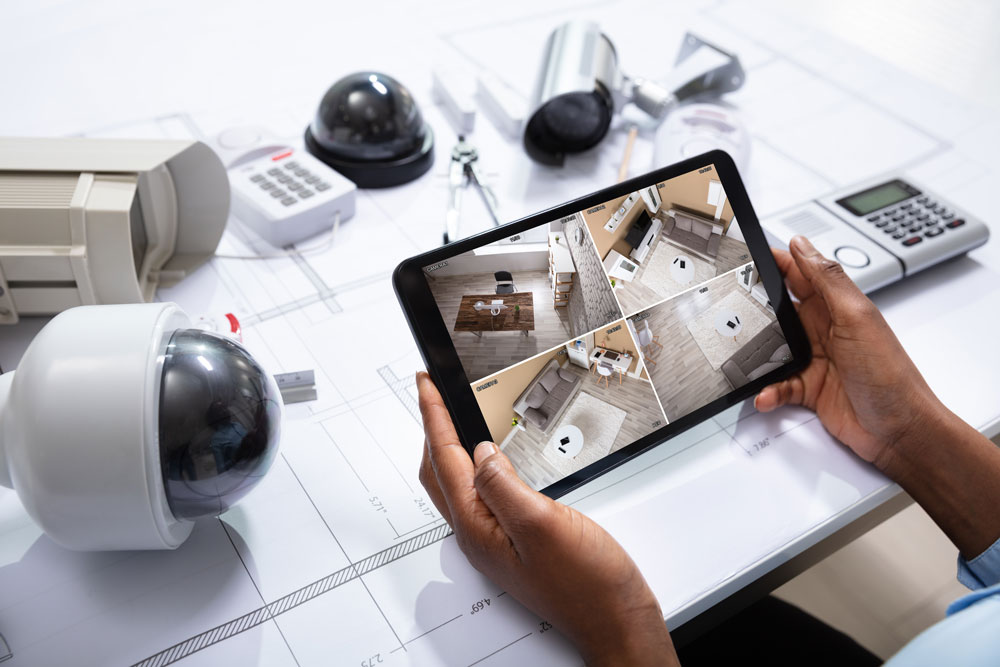
Home security has transitioned from basic alarm systems to intelligent ecosystems. Decades ago, homeowners relied on manual locks and wired alarm systems. Now, smart home security devices leverage wireless connectivity, cloud-based monitoring, and AI learning. With features like remote access, two-way audio, and real-time video streaming, modern home security makes it possible to monitor every corner of your property directly from your smartphone.
Smart Home Security Devices in 2025
Homeowners in 2025 benefit from a wide array of smart home security products. These devices not only enhance safety but also improve convenience and energy efficiency.
Smart CamerasAI-driven security cameras can now distinguish between humans, pets, and vehicles, reducing false alerts. Some advanced models include facial recognition technology to identify familiar faces and detect potential intruders.
Smart DoorbellsVideo doorbells equipped with motion sensors and two-way communication allow you to see and speak with visitors, even if you’re miles away. With cloud storage and live feeds, you can keep track of who approaches your front door anytime.
Motion Sensors and Smart LocksMotion sensors are now integrated with smart lighting systems, automatically illuminating pathways when activity is detected. Smart locks, on the other hand, let you control entry through fingerprint access, voice commands, or mobile apps—eliminating the need for physical keys.
AI and Machine Learning in Home Security
Artificial intelligence is revolutionizing home security. Through AI-powered analytics, your system can predict potential security threats by learning behavioral patterns around your home. For instance, it can recognize when a family member arrives and distinguish that from unusual activity. Machine learning also helps identify false alarms, ensuring that alerts you receive are accurate and relevant.
Home Security and the Internet of Things (IoT)
IoT has played a pivotal role in connecting multiple devices within one ecosystem. Home security systems now integrate with other smart home products such as thermostats, lighting systems, and voice assistants. This allows you to automate your entire home environment. Imagine your lights turning on automatically when your security camera detects motion or your smart speaker notifying you of a security alert in real time.
Wireless vs Wired Home Security Systems
Choosing between wireless and wired home security systems depends on your home’s structure and your personal preferences.
Wireless SystemsWireless home security systems are easy to install, flexible, and compatible with other smart devices. They use Wi-Fi or cellular networks for communication, allowing homeowners to monitor their property through mobile apps.
Wired SystemsWired systems are more traditional and reliable since they don’t depend on internet connectivity. They are ideal for large properties or those with multiple security zones. However, they require professional installation and can be harder to upgrade.
The Role of Cloud Storage in Home SecurityCloud technology has significantly improved how security footage and data are stored. Instead of relying on local storage, which can be easily damaged or stolen, cloud storage offers a safer and more accessible option. Homeowners can access their security footage anytime, anywhere, ensuring complete peace of mind.
The Growing Importance of CybersecurityWith the rise of smart home security systems, cybersecurity has become a vital concern. Hackers can exploit vulnerabilities in connected devices if they aren’t properly secured. To safeguard your data, ensure all devices use strong passwords, enable two-factor authentication, and regularly update firmware. As home security grows more digital, protecting your online data is as important as locking your front door.
Energy Efficiency and Home Security IntegrationHome security devices now double as energy-efficient tools. Smart systems automatically adjust lighting and temperature when no one is home, reducing energy consumption. This integration helps create safer, more sustainable living spaces while lowering utility costs.
Home Security for Apartments and RentersYou don’t need to own a home to benefit from advanced home security. Wireless systems are perfect for renters because they’re easy to install and remove without property modifications. Portable cameras, smart doorbells, and window sensors provide the same level of protection for apartments as they do for houses.
Choosing the Best Home Security System
When selecting a home security system, consider factors like budget, coverage area, and smart features. Here are some tips to help you choose the right one:
1. Compatibility with Smart DevicesEnsure your home security system integrates smoothly with existing devices such as Alexa, Google Home, or Apple HomeKit.
2. Monitoring OptionsDecide whether you prefer professional monitoring services or self-monitoring through mobile notifications.
3. ScalabilityOpt for systems that can be expanded easily as your home or needs grow.
4. Budget and Subscription CostsEvaluate the upfront cost, installation fees, and ongoing subscription charges for cloud storage or professional monitoring.
5. Customer Support and ReliabilityChoose a reputable brand known for consistent performance and reliable customer service.
Top Home Security Brands in 2025
Leading brands dominating the home security market in 2025 include Arlo, Ring, Nest, Eufy, SimpliSafe, and Wyze. These companies continually innovate, offering high-quality systems that integrate seamlessly into smart homes. Each provides unique features, from facial recognition and 4K resolution to AI-driven threat detection.
DIY Home Security Solutions
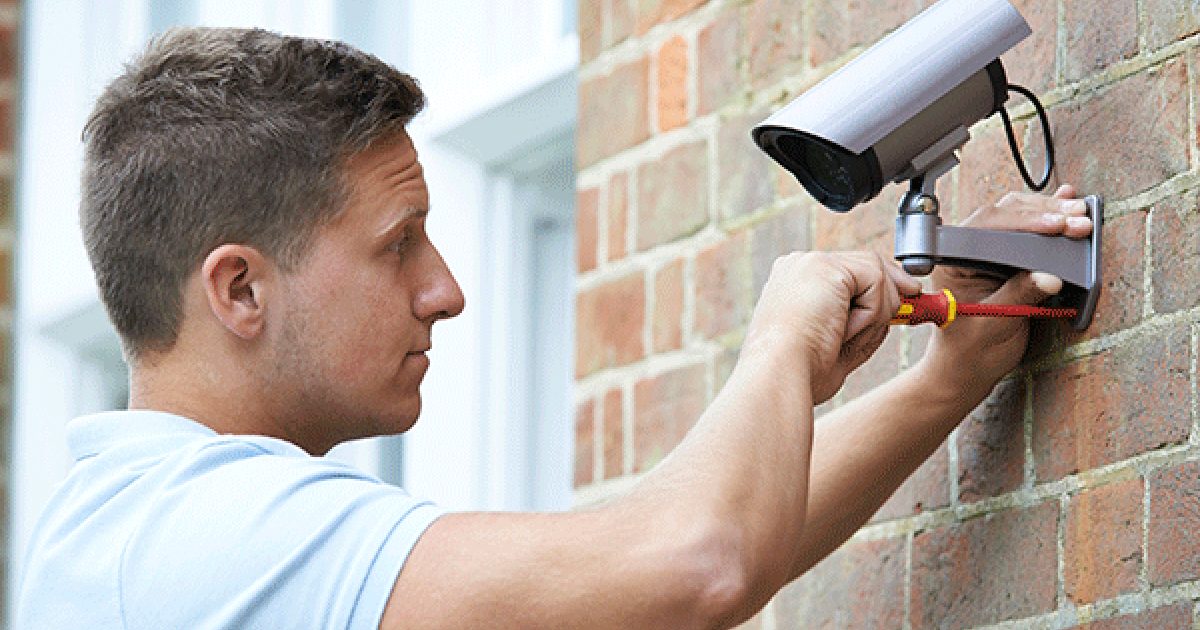
Not all homeowners want complex systems. DIY home security kits have become extremely popular for their affordability and ease of installation. These kits include cameras, door sensors, and motion detectors that connect via Wi-Fi. You can set them up in minutes without needing professional help.
How Home Security Impacts Insurance and Property Value
Installing a home security system can lower your homeowner’s insurance premiums. Insurers often provide discounts for properties equipped with burglar alarms and surveillance cameras. Moreover, modern home security systems can increase property value by enhancing safety, which is an attractive feature for potential buyers.
Future Trends in Home Security
As we look ahead, the next wave of innovations in home security will likely focus on predictive analytics and full automation. Future systems may use drones for perimeter monitoring, advanced biometric verification, and integration with neighborhood watch networks. Sustainability will also be a key focus, with eco-friendly devices designed to operate on minimal energy consumption.
Frequently Asked Questions (FAQs)
1. What are the most important features to look for in a home security system?Look for systems that offer real-time alerts, remote access, HD video recording, motion detection, and smart home integration.
2. Can smart home security systems work without an internet connection?Most modern systems rely on Wi-Fi for cloud-based storage and mobile alerts, but some hybrid systems can still function locally during outages.
3. Are DIY home security systems as effective as professional ones?DIY systems can be very effective for smaller homes or apartments, but professional setups typically offer more robust coverage and 24/7 monitoring.
4. How often should I update my home security devices?It’s recommended to update your devices and software every two to three years or as soon as new firmware becomes available.
5. Do home security systems really prevent burglaries?Yes, studies show that visible security systems deter most burglars. Homes with cameras or alarm systems are significantly less likely to be targeted.
Conclusion
Home security in 2025 represents a blend of technology, convenience, and peace of mind. With advancements in AI, IoT, and smart automation, homeowners now have more control over their safety than ever before. Whether you prefer a full-featured professional setup or a DIY system, investing in home security is one of the smartest decisions you can make. At Deep Dive Picks, we continue to explore these innovations to help you make informed, confident choices for your home and family. You can find more details on our homepage.