Understanding the Chef’s Knife
What is a Chef’s Knife?
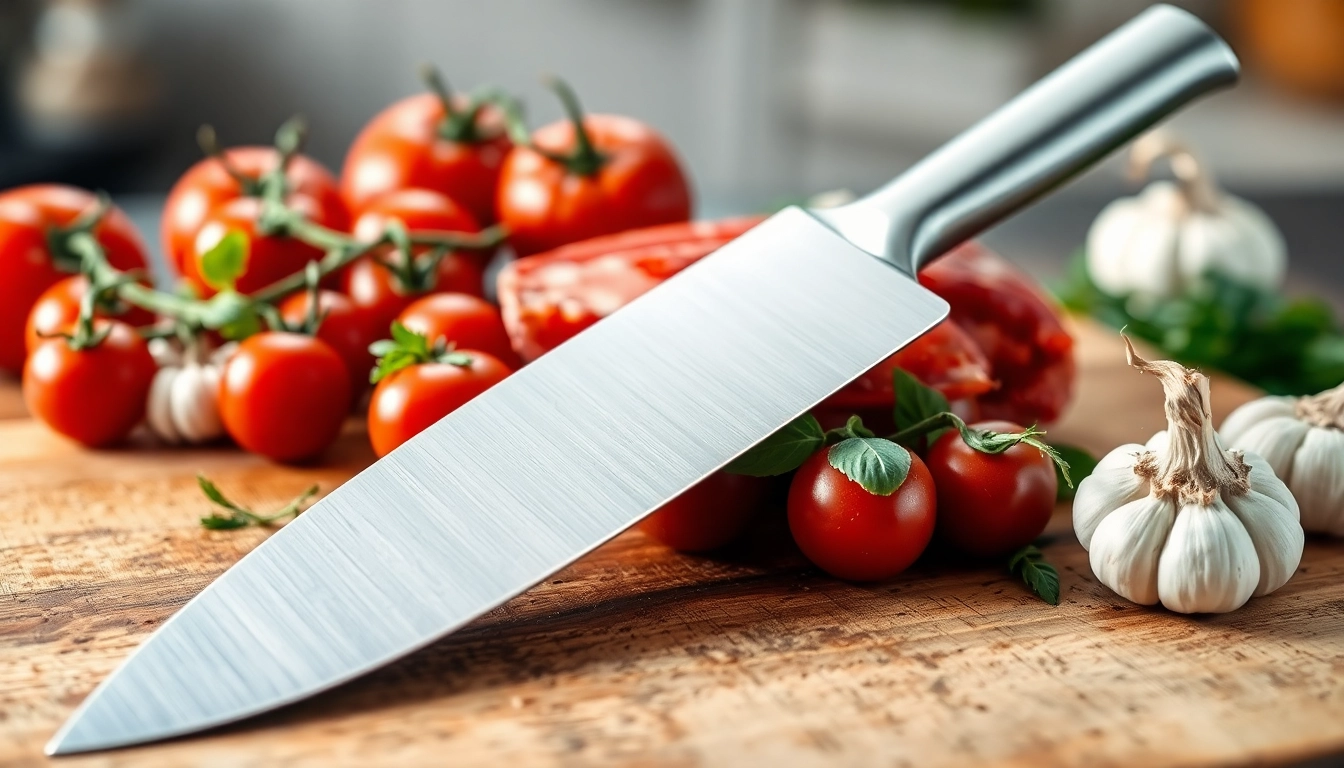
A chef’s knife is an essential tool in any kitchen, widely utilized by both amateur cooks and professional chefs alike. Typically ranging from 8 to 10 inches in length, this versatile knife is designed for various tasks, including chopping, slicing, dicing, and mincing. It features a broad blade that tapers to a sharp edge, allowing for smooth and efficient cutting through a variety of ingredients— from vegetables to meats. The chef’s knife is often regarded as the workhorse of the kitchen, enabling users to perform a myriad of culinary techniques with precision.
Importance of the Right Knife
Selecting the right chef’s knife is crucial not only for efficiency but also for safety and comfort in the kitchen. A poorly chosen knife can lead to accidents, discomfort, and unsatisfactory culinary results. A quality knife should fit the user’s hand comfortably, provide appropriate weight distribution, and allow for various cutting techniques. A well-balanced knife can make food preparation easier and more enjoyable. Understanding how to choose a chef’s knife ensures that you invest in a tool that meets your specific needs.
Types of Chef's Knives Available
While all chef’s knives serve similar purposes, they vary significantly in design, material, and edge type, resulting in different functionality. Common types include:
- Western Chef’s Knife: Typically heavier and sturdier, ideal for tasks requiring force.
- Japanese Gyuto: Lighter and sharper, perfect for precision work.
- All-purpose Chef’s Knife: Balanced between Western and Japanese styles, suitable for most culinary tasks.
- Short Chef’s Knife: A smaller variant for more delicate tasks or for users with smaller hands.
Key Features to Consider
Blade Material and Sharpness
The blade material significantly affects a chef’s knife performance. Common materials include:
- Stainless Steel: Offers durability and resistance to rust and stains, making it easy to maintain.
- High-carbon Steel: Known for its sharpness and edge retention, but requires more care to prevent rust.
- Damascus Steel: Combines beauty and functionality, with excellent sharpness and resistance to wear.
Sharpness is equally critical; a well-honed blade will make your slicing tasks effortless. Look for knives that maintain their sharpness longer and can be easily sharpened.
Knife Handle and Grip
A comfortable handle is vital for prolonged use. Materials including wood, plastic, and composite blends each have unique feels. Ergonomic designs that fit the contour of your hand can prevent fatigue and slipping during use. When assessing a knife's grip, consider:
- Material: Choose what feels best in your hand.
- Shape: Look for contours that fit comfortably in your grip.
- Size: Ensure the handle suits your hand size to avoid discomfort.
Weight and Balance
Weight and balance are often overlooked but are essential for efficiency. A heavier knife can be advantageous for power tasks, while a lighter knife allows for greater control and speed. The balance point of a knife, ideally at the bolster or halfway up the blade, enhances usability. It's important to try several options to see what feels right for you.
Choosing the Right Size
Standard Sizes of Chef's Knives
While chef's knives often range in size from 6 to 12 inches, the most popular length for home cooks is 8 inches. This size is manageable while still maintaining enough blade length for effective cutting. Smaller blades can make precision tasks easier, while larger ones are great for bigger ingredients or bulk tasks.
Consider Your Cooking Style
Your cooking style significantly influences the size of knife you should choose. For instance, if you frequently prepare large quantities of food or work with larger items like watermelons or cabbages, opt for a longer knife. Conversely, if you're focused on intricate, precise tasks, a smaller knife may serve you better.
How Size Affects Performance
The size of your chef's knife impacts its responsiveness and ease of handling. A larger knife may offer power, but it can be cumbersome for delicate, detailed cuts. On the other hand, smaller knives provide greater maneuverability, allowing for intricate cuts, but can lack the heft needed for tougher ingredients. Consider both the types of foods you commonly prepare and your individual comfort when choosing a knife size.
Testing the Chef’s Knife
How to Test Knife Comfort
The best way to assess knife comfort is to physically try it in hand. Hold the knife and perform typical culinary movements, including slicing, chopping, and dicing. Check for a natural feel in your grip; you should not feel any strain after a few minutes of handling. If possible, use a cutting board and practice with some vegetables, paying attention to your comfort and control.
Importance of Weight in Usage
Test the knife’s weight by lifting it and mimicking cutting motions. A knife that feels too light may lack the heft for dense ingredients, while a knife that feels overly heavy can cause fatigue. Look for a weight that complements your cooking style, offering a balance that feels right.
Demonstrating Knifework Techniques
Many retailers offer live demonstrations or allow customers to test knives. Attend these events or watch videos to see how different knives perform in action. Observe how easily the blade moves through various foods. Well-manufactured knives will glide through ingredients with minimal resistance.
Caring for Your Chef’s Knife
Basic Knife Maintenance Tips
Maintaining your chef’s knife involves regular cleaning, sharpening, and careful handling. Always wash your knife by hand with warm soapy water, avoiding the dishwasher, which can dull blades and damage handles. Dry immediately to prevent rusting, and regularly inspect for any signs of damage.
How to Sharpen a Chef’s Knife
Sharpening is essential for maintaining performance. Use a whetstone, honing rod, or professional sharpening service. Regular honing (at least every few uses) can prolong the intervals between sharpening sessions. For beginners, learning to use a whetstone can significantly improve your knife's edge over time.
Storing Your Knife Safely
Proper storage is vital to maintain your knife’s integrity. Use magnetic strips, sheaths, or knife blocks to prevent blades from dulling against other utensils. Avoid tossing knives into drawers where they can become damaged or pose a safety hazard.
Frequently Asked Questions
What length chef's knife is best for beginners?
Typically, an 8-inch chef's knife is ideal for beginners due to its versatility and balanced size for various tasks.
How do I know if my knife is sharp?
A sharp knife will easily cut through vegetables with minimal pressure. You can test it by slicing through a piece of paper or making quick cuts on a tomato.
Can I use a chef's knife for all cutting tasks?
While a chef’s knife is versatile, it’s not ideal for certain specific tasks like filleting fish or paring fruits, which require specialized knives.
How often should I sharpen my chef's knife?
It's recommended to hone your knife after every few uses, while sharpening should be done every 6-12 months, depending on usage frequency.
What’s the best way to clean my chef's knife?
Hand wash your knife with warm soapy water and dry it immediately. Avoid the dishwasher as it can damage the knife.