Understanding Commercial Roofing Services
What Are Commercial Roofing Services?
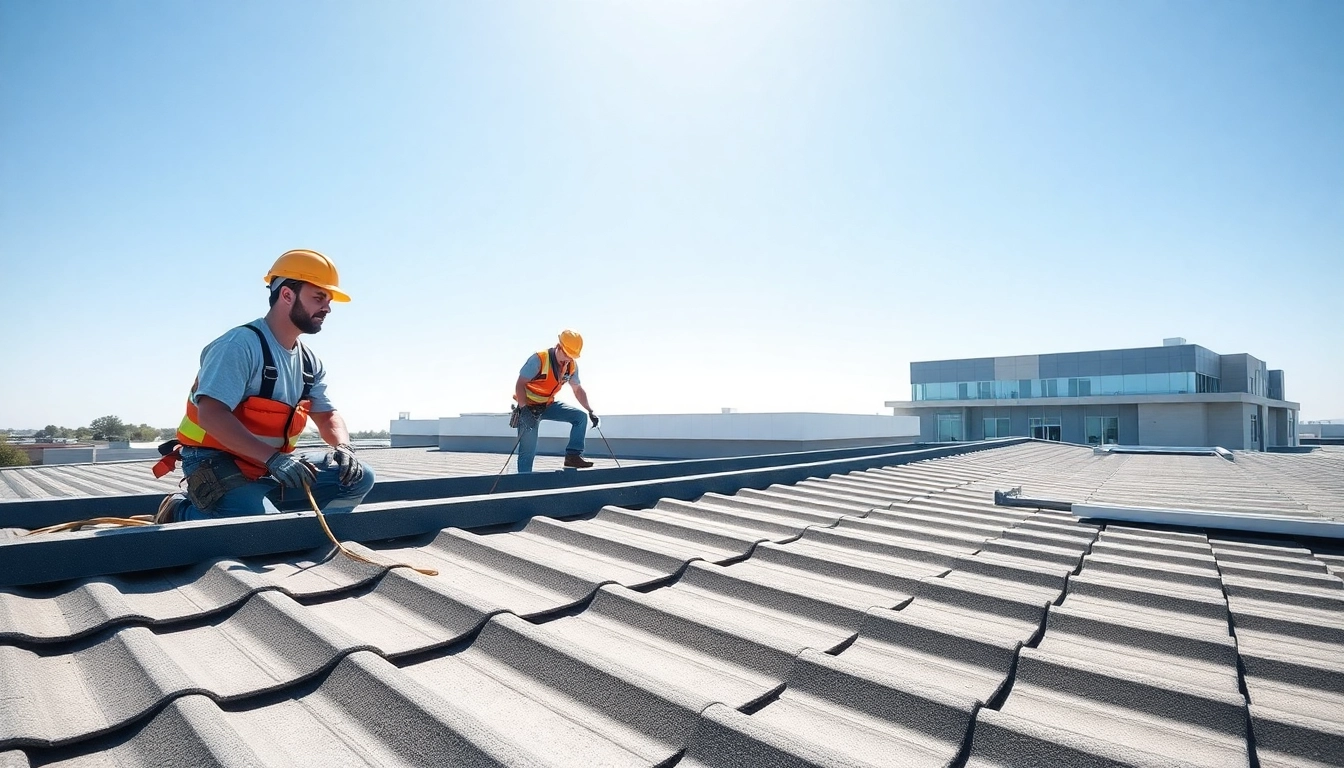
Commercial roofing services encompass a variety of solutions tailored specifically for businesses, industry facilities, and large structures. Unlike residential roofing, which typically focuses on individual homes, commercial roofing addresses the unique needs of larger buildings such as warehouses, offices, and retail spaces. This type of roofing often involves specialized materials, techniques, and considerations for factors like load-bearing capabilities and energy efficiency. Among the services typically provided are roof installation, repair, maintenance, and replacement, ensuring that all commercial buildings adhere to safety and environmental standards.
Types of Roofing Solutions Offered
There are several different types of roofing solutions that fall under the umbrella of commercial roofing services. Each solution comes with its own set of advantages, materials, and applicability based on the specific needs of the building:
- Flat Roofing: Popular for commercial buildings, flat roofs can be made from materials like EPDM, TPO, or PVC. Their structure allows for easy installation of HVAC units and other equipment.
- Metal Roofing: Known for its durability and longevity, metal roofing can come in a variety of styles, including standing seam and corrugated panels. It is resistant to severe weather conditions and is energy efficient.
- Modified Bitumen: This option is often used for low-slope buildings and provides excellent waterproofing. It combines asphalt with polymer for increased flexibility and strength.
- Built-Up Roofing (BUR): This traditional method consists of multiple layers of bitumen and reinforcing fabrics. BUR provides excellent waterproofing and insulation.
- Shingle Roofing: While more common in residential applications, advanced shingle materials are also available for certain types of commercial structures.
The Importance of Choosing the Right Service
Selecting the appropriate commercial roofing service is crucial for a number of reasons. First, the right choice can significantly impact the durability and longevity of the roofing system, affecting overall maintenance costs and building integrity over time. A qualified roofing contractor will consider local climate conditions, building specifications, and manufacturer recommendations when recommending materials and solutions. Additionally, a well-executed roofing project enhances the aesthetic appeal of a business, potentially attracting more customers and increasing property value. For these reasons, investing in reliable commercial roofing services is essential for any business owner.
Key Benefits of Professional Commercial Roofing Services
Enhanced Durability and Longevity
One of the most significant advantages of selecting professional commercial roofing services is the enhanced durability that comes with these expertly installed systems. Professionals use high-quality materials and efficient installation techniques that lead to roofs designed to withstand harsh weather conditions, such as heavy rain, extreme temperatures, and strong winds. This not only increases the lifespan of the roof but also reduces the need for frequent repairs, making it a sound long-term investment.
Cost-Effectiveness: Saving Money Over Time
In the short term, the cost of hiring a professional roofing service may seem high. However, considering the long-term benefits, this investment can save businesses significant amounts of money. A poorly installed or low-quality roof can result in leaks, water damage, and even structural problems that can necessitate costly repairs or premature roof replacement. In contrast, a high-quality commercial roof installed by experienced professionals can significantly lower maintenance costs and energy bills over time.
Boosting Aesthetic Appeal of Your Business
First impressions matter, especially in the business world. A well-maintained roof contributes to a positive perception of a company. Commercial roofing services not only focus on functionality but also on enhancing the overall look of the building. Whether a sleek metal roof, attractive flat roofing, or an innovative green roof, a professionally installed roofing system can considerably boost the curb appeal of a business, making it more inviting for potential customers and clients.
Choosing the Right Contractor for Commercial Roofing Services
Assessing Contractor Credentials and Experience
When selecting a contractor for commercial roofing services, it is essential to verify their credentials and expertise. Look for contractors who are licensed, insured, and certified by major manufacturers. Experienced contractors should also provide a portfolio of previous work, along with references from satisfied clients. This level of research will help ensure that your roofing project is handled by professionals who understand both the technical aspects of commercial roofing and the specific needs of your building.
Evaluating Customer Reviews and Testimonials
In today’s digital age, reputations spread quickly online. Prior to hiring a commercial roofing contractor, it is critical to evaluate client testimonials and reviews. Check reputable review platforms to gather insights into the experiences of previous clients. Look for patterns in feedback, such as punctuality, professionalism, and quality of work. This due diligence will help you select a contractor that meets your specific needs and expectations.
Understanding Pricing and Service Agreements
Pricing is always a consideration when investing in commercial roofing services. It’s crucial to obtain detailed written estimates from multiple contractors to compare what is included in their proposals. Be aware of any additional costs that may arise during the project, and read the fine print of service agreements carefully. Ensure an understanding of both payment schedules and warranty details. A transparent breakdown of pricing and services will provide peace of mind and help prevent unexpected expenses later on.
Common Challenges in Commercial Roofing Projects
Weather Conditions Impacting Projects
Weather can significantly impact the success and timeline of commercial roofing projects. Rain, snow, and extreme temperatures can delay installation or pose safety risks to workers. In planning a roofing project, it is essential to account for the local climate and seasonal weather patterns. Experienced contractors will have backup plans in place to mitigate these challenges, such as adjusting timelines based on weather forecasts or having temporary coverings available during vulnerable phases of the project.
Material Choice and Its Long-Term Effects
Selecting the right materials is critical and can become a complex decision based on the specific needs of the building and local climate. Each roofing material offers distinct advantages and disadvantages that affect durability, maintenance, and energy efficiency. Therefore, understanding how various materials will perform in different conditions is key to opting for the most suitable solution. Consulting with roofing professionals can provide valuable insights and prevent costly mistakes in material selection.
Budget Constraints and Financial Management
Budget constraints are common in commercial roofing projects. Financial planning is critical for ensuring the project remains on track without sacrificing quality. Properly outline your budget at the get-go and consider setting aside funds for unexpected expenses. Teaming up with an experienced contractor can help streamline costs and make the most of your investment, while adhering to financial boundaries.
Measuring Success After Commercial Roofing Services
Performance Metrics for Roofing Projects
After a commercial roofing project is completed, it’s essential to measure its success. One common performance metric is tracking the roof’s lifespan against the projected lifespan. Furthermore, monitoring any leaks, energy efficiency changes, and maintenance requirements can give insight into the overall performance of the installation. Keeping solid records will help maintain effective communication with your contractor regarding warranties and future maintenance needs.
Post-Installation Maintenance Best Practices
Post-installation maintenance is necessary to ensure the longevity and functionality of your roof. Regular inspections should be conducted at least once or twice a year, as well as after severe weather events. These inspections can identify minor issues before they become significant problems. Additionally, ensuring that gutters and drainage systems are clear of debris will facilitate proper water flow and lessen the risk of ponding, which can lead to leaks or structural damage over time.
When to Consider Repairs or Upgrades
Knowing when to repair or upgrade your commercial roofing system can save money in the long run. Signs such as visible leaks, extensive wear and tear, or energy inefficiencies may indicate that immediate attention is required. If repair costs begin to approach the cost of a new roof, it may be time to consider a roof replacement. Ultimately, collaborating with a professional roofing contractor can help assess the condition of your roof and make informed decisions regarding necessary repairs or potential upgrades.