
Understanding Chef Knives
What is a Chef Knife?
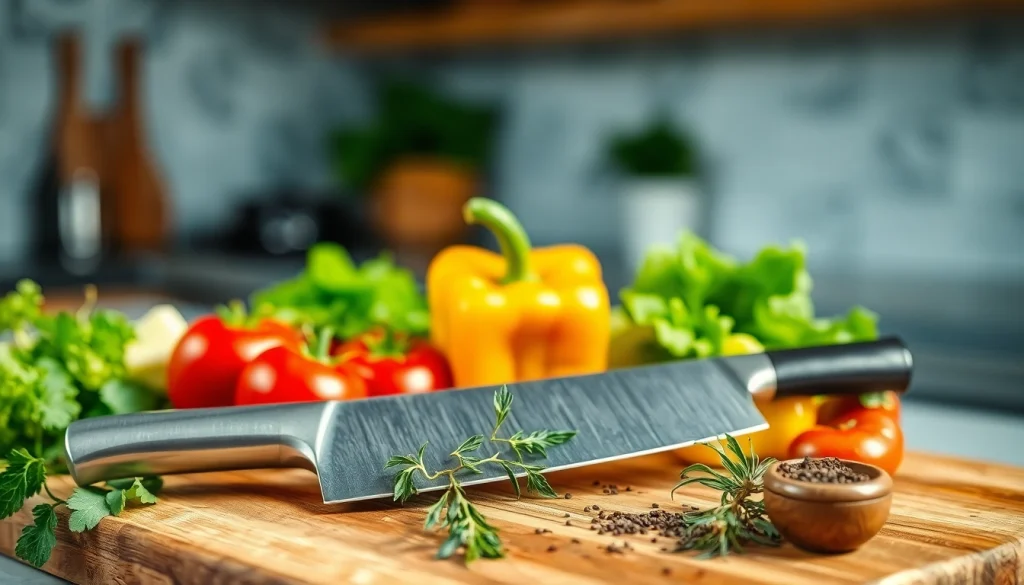
A chef knife, often regarded as the cornerstone of any kitchen, is a versatile cutting tool that can handle a variety of tasks, from chopping vegetables to slicing meats. Typically between 8 to 10 inches in length, this knife is designed to enable precision while maintaining efficiency in food preparation. The blade’s wide surface helps to create a balance between weight and maneuverability, making it ideal for both novice cooks and seasoned chefs.
History and Evolution of Chef Knives
The evolution of the chef knife is a fascinating journey that traces back to its origins in the 18th century. Initially developed for butchery, the design has undergone significant transformations thanks to advancements in metallurgy and craftsmanship. Traditionally made with high-carbon steel, modern knives may feature a variety of materials, including stainless steel and ceramic, expanding their durability and effectiveness. Not only has the design progressed, but so have the aesthetics, with different cultures adding their own unique flair to the knife’s look and functionality.
Different Types of Chef Knives
While the chef knife is a staple in most kitchens, it is important to recognize that there are various types tailored for specific requirements. Some common renditions include:
- Santoku Knife: Originating from Japan, this knife is shorter and features a flatter blade that’s particularly effective for precision cutting.
- Gyuto Knife: Another Japanese variant, this knife is longer and offers a more curved edge, allowing for a rocking motion during cuts.
- French Knife: The most familiar type of chef knife, it typically has a curved blade that makes chopping and slicing easier.
Key Features to Consider
Blade Material and Hardness
The blade material plays a critical role in determining the knife’s performance. High-carbon steel provides excellent sharpness and edge retention, while stainless steel offers corrosion resistance and easier maintenance. It’s advisable to consider Rockwell hardness, which indicates the blade’s hardness level; a higher number generally correlates with better edge retention but may make sharpening challenging.
Knife Balance and Weight
Finding the right balance and weight is essential for comfort and control. A well-balanced knife feels light, allowing for easier maneuvers without strain on your wrist. Heavier knives tend to be more robust, suited for tougher tasks, but a lighter knife can allow for precision work without causing fatigue.
Handle Comfort and Grip
The handle is just as important as the blade itself. Look for a handle that feels comfortable during prolonged use and allows for a secure grip. Materials such as wood, synthetic composites, and metal can greatly influence how the knife feels in hand. A well-designed handle can help prevent slippage and hand fatigue, making cooking a more enjoyable experience.
Choosing the Right Size
Knife Length and Your Cooking Style
The size of the chef knife you choose should align with your cooking style and the types of food you typically prepare. For intricate tasks or smaller hands, a knife between 6 to 8 inches may be more suitable, while larger chefs might prefer an 8 to 10 inch blade to handle broader chopping tasks efficiently.
How Knife Size Affects Performance
Performance can significantly change based on knife size. A shorter blade may provide better control for delicate tasks, while a longer blade excels in making swift, sweeping cuts through larger items. Knowing when to utilize different sizes can enhance your overall effectiveness in the kitchen.
Common Misconceptions About Knife Sizes
Many believe that larger knives are inherently better, but this isn’t true. A larger knife can add unnecessary weight and may not be suitable for all users. Understanding personal comfort and kitchen needs is vital for selecting the right size.
Budgeting for a Quality Knife
Price Ranges and Value for Money
Chef knives come in a range of prices, from affordable models under $50 to high-end knives that can run into the hundreds. It’s essential to weigh cost against quality and durability. While budget options can function adequately for beginners, investing in a quality knife can provide a long-term benefit in both performance and longevity.
Investing in Quality vs. Quantity
Rather than purchasing multiple inexpensive knives, focus on acquiring one well-crafted chef knife. A quality knife will outperform lower-end alternatives over time. It’s important to view your knife as an investment that will serve your culinary efforts well.
Where to Buy Chef Knives
Purchasing a chef knife requires consideration of where to buy. Specialty kitchen stores often provide the opportunity to handle knives, giving insight into their comfort and balance. However, online retailers offer additional options and often better prices. Ensure you read reviews and check return policies before making a final decision.
Maintenance and Care Tips
How to Sharpen a Chef Knife
Regularly sharpening your knife is vital for maintaining its performance. There are several methods for sharpening, including whetstones, honing rods, and electric sharpeners. Whichever method you choose, aim to sharpen regularly, based on frequency of use, to keep your knife in top condition.
Cleaning and Storage Guidelines
Proper cleaning and storage are equally important for knife longevity. Always wash your knife by hand with warm, soapy water and dry immediately to prevent rust. Store using a knife block, magnetic strip, or protective sheath to minimize the risk of dulling the blade or injury.
Extending the Lifespan of Your Knife
To extend the life of your chef knife, avoid using it on hard surfaces like glass or stone, as this can chip the blade. Instead, utilize cutting boards made from wood or plastic. Additionally, avoid putting your knife in the dishwasher; the high heat and jostling can damage both the blade and handle.
Frequently Asked Questions
1. What size chef knife is best for beginners?
A chef knife between 8 to 10 inches is generally considered ideal for beginners due to its versatility and balance.
2. How often should I sharpen my chef knife?
Sharpen your knife as needed, typically every few weeks for frequent use. Regular honing can help maintain the edge between sharpening sessions.
3. Can I use a chef knife for all cooking tasks?
While chef knives are versatile, specific tasks may require specialized knives for best performance, like fillet or paring knives for precision work.
4. How do I care for my chef knife?
Hand wash, dry immediately, and store it properly. Regular sharpening and avoidance of hard surfaces will also prolong its life.
5. Are expensive chef knives worth it?
Higher-quality chef knives typically offer better performance, durability, and a longer lifespan, making them a worthwhile investment for serious cooks.
Choosing the right chef knife is a personalized journey that combines understanding your cooking style, preferences, and needs. By focusing on essential features and investing the right time in maintenance, you can enhance your culinary experience significantly. For more detailed insights, explore our guide on how to choose a chef’s knife.