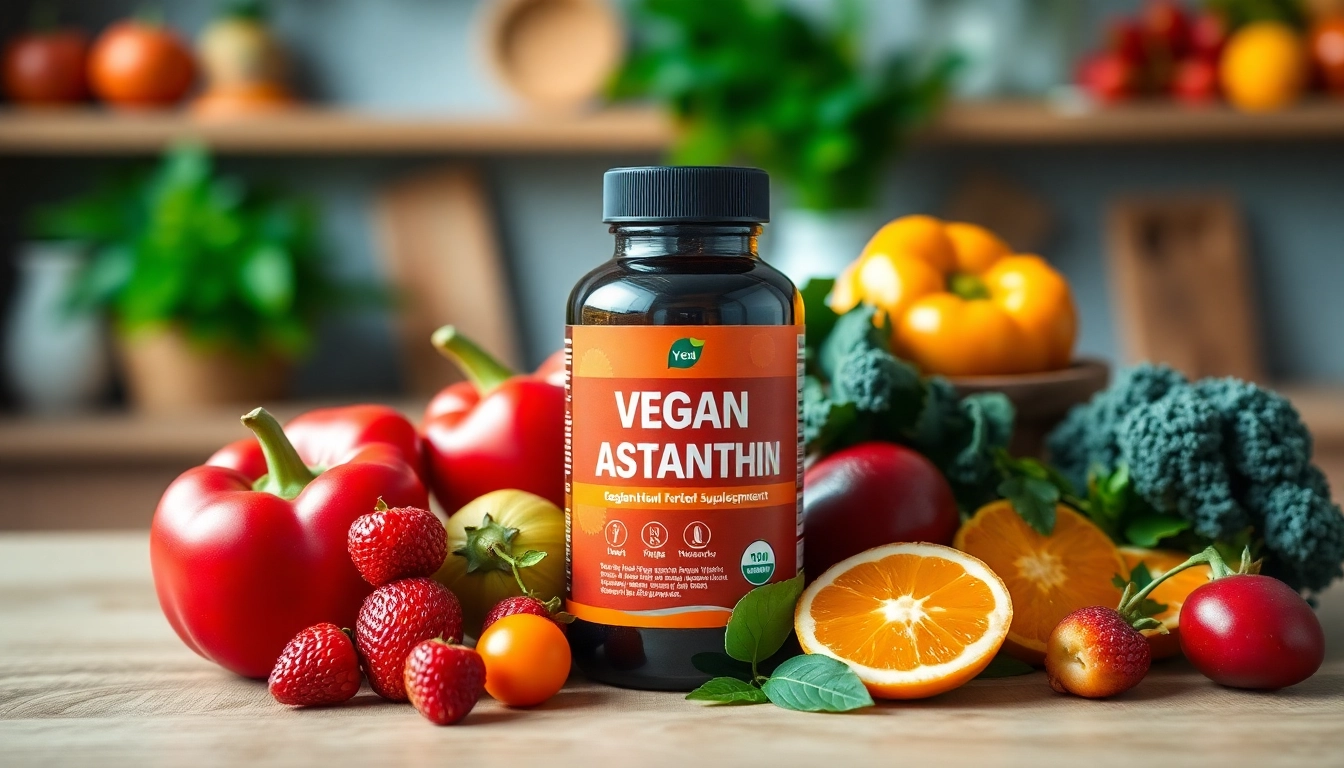
1. Understanding Vegan Astaxanthin Supplement
What is Vegan Astaxanthin?
Astaxanthin is a powerful carotenoid found in certain microalgae and seafood, known for its vibrant red pigment. It is widely recognized for its potent antioxidant properties. When sourced from algae, astaxanthin is classified as vegan. This plant-based version provides all the health benefits of astaxanthin without the ethical concerns associated with animal-derived sources. The vegan astaxanthin supplement exemplifies this sustainable approach to wellness, making it a popular choice for health-conscious individuals.
Sources of Vegan Astaxanthin
The primary source of vegan astaxanthin is the microalga Haematococcus pluvialis, which houses one of the highest concentrations of this carotenoid. When the algae undergo stress, such as exposure to UV light or nutrient depletion, they produce astaxanthin as a protective mechanism. Other sources may include certain species of yeast and fungi that also synthesize this potent antioxidant. These sources provide a non-animal derivative that fits perfectly into a plant-based diet.
How it Differs from Traditional Supplements
Unlike traditional astaxanthin supplements derived from crustaceans or fish, vegan astaxanthin comes solely from plant-based origins. This distinction is not just ethical; it also affects bioavailability and absorption rates within the body. Many consumers prefer vegan supplements due to dietary restrictions, ethical beliefs, or allergy concerns associated with marine-based products. The shift towards vegan formulations has garnered significant interest, as people look for clean, sustainable alternatives.
2. Health Benefits of Vegan Astaxanthin Supplement
Antioxidant Properties Explained
Astaxanthin has gained recognition primarily due to its exceptional antioxidant capabilities, significantly outweighing those of Vitamin E and beta-carotene. Antioxidants combat oxidative stress, which can lead to cellular damage and chronic diseases. Research suggests that the unique molecular structure of astaxanthin allows it to cross the blood-brain barrier, providing neuroprotective benefits. Regular consumption of vegan astaxanthin supplements can contribute to enhanced cellular function and longevity.
Impact on Skin Health
Astaxanthin’s application extends beyond internal health; it is also beneficial for skin health. Its antioxidant properties help to mitigate the effects of UV radiation, reducing the appearance of fine lines and wrinkles. Additionally, astaxanthin has been shown to boost skin elasticity and hydration. Several studies demonstrate improvements in skin texture and overall tone after supplementation, establishing astaxanthin as a valuable asset in skincare regimens.
Potential Eye Health Benefits
Vegan astaxanthin is particularly advantageous for eye health due to its ability to filter harmful blue light and protect the retina. The carotenoid has shown promise in alleviating symptoms of eye strain and fatigue, which are especially prevalent in our screen-dominated world. Research indicates that astaxanthin may help slow the progression of age-related macular degeneration (AMD), a leading cause of vision loss in seniors. These effects make it an appealing option for individuals concerned about ocular health.
3. How to Incorporate Vegan Astaxanthin Supplement into Your Diet
Recommended Dosages and Usage
The appropriate dosage for vegan astaxanthin can vary based on individual health goals and conditions. Generally, a daily intake of 4-12 mg is recommended for optimal effects. However, consulting a healthcare professional ensures personalized recommendations tailored to your needs. It’s best taken with a fat-containing meal to enhance absorption due to its fat-soluble nature.
Pairing with Other Nutrients
Astaxanthin works synergistically with other antioxidants like coenzyme Q10, curcumin, and Vitamin C. Pairing these nutrients can amplify their collective effects, enhancing overall benefits for heart health, skin vitality, and immune support. Including astaxanthin in a broad-spectrum regimen may offer comprehensive wellness approaches, particularly for those interested in holistic health.
Meal Ideas Featuring Vegan Astaxanthin
Incorporating vegan astaxanthin into your diet can be made simple with creative culinary approaches. Consider blending a vegan astaxanthin supplement into smoothies, where it can easily mix with fruits and vegetables. Another idea is to add it to homemade salad dressings, infusing your greens with both color and health benefits. Additionally, it can be sprinkled onto vegan yogurt or oatmeal to start your day with a nutritious boost.
4. Safety and Side Effects of Vegan Astaxanthin Supplement
Who Should Avoid It?
While vegan astaxanthin is generally safe for most individuals, there are specific populations who may want to consult their healthcare provider before beginning supplementation. Pregnant or breastfeeding women, children, and those on specific medications or with underlying health conditions should verify safety with a medical professional. Individual reactions can vary, so personal assessments are crucial.
Possible Allergic Reactions
Although rare, some individuals may experience allergic reactions to astaxanthin, manifesting as skin rashes or gastrointestinal discomfort. If you encounter any adverse effects, it’s essential to discontinue use and consult a healthcare provider promptly. Monitoring your body’s response during initial supplementation is advisable to gauge tolerance levels.
Consultation with Healthcare Professionals
Given the varying personal health circumstances, consulting with healthcare professionals before starting a vegan astaxanthin supplement is recommended. They can provide tailored dosage instructions and evaluate potential interactions with other medications or supplements being taken. This ensures a safe and effective incorporation into your health routine.
5. Frequently Asked Questions
What is the best time to take vegan astaxanthin?
It’s recommended to take vegan astaxanthin with a meal containing fats for better absorption, ideally in the morning or at lunchtime.
Can vegan astaxanthin improve athletic performance?
Yes, studies suggest that vegan astaxanthin may enhance endurance and reduce muscle soreness, potentially improving athletic performance.
Is vegan astaxanthin safe for long-term use?
Vegan astaxanthin is deemed safe for long-term use, but regular consultation with a healthcare provider is recommended for personalized guidance.
How does vegan astaxanthin impact heart health?
Vegan astaxanthin supports heart health by reducing oxidative stress and inflammation, which can contribute to improved cardiovascular function.
Are there any interactions with medication?
While generally safe, vegan astaxanthin may interact with blood-thinning medications. Consultation with a healthcare provider is essential if on such prescriptions.