Understanding Rainpoint Irrigation Controllers
Rainpoint Irrigation Controllers are revolutionizing the way we approach garden and lawn maintenance. Designed to automate the watering process, these devices not only enhance plant health but also promote sustainable water usage. By utilizing advanced technology, Rainpoint makes it easier for gardeners to ensure their plants receive the right amount of water, thus saving both effort and resources. When exploring options, rainpoint Irrigation Controllers provide comprehensive insights into efficient gardening solutions for any homeowner.
What Are Rainpoint Irrigation Controllers?
Rainpoint Irrigation Controllers are intelligent devices designed to automate the irrigation process for gardens and landscapes. These systems allow users to schedule watering based on specific plant needs, local weather conditions, and soil moisture levels, thereby optimizing water usage. Whether you’re managing a large garden or a few potted plants, these controllers can be tailored to meet your unique gardening requirements.
Benefits of Using Smart Irrigation Solutions
- Water Conservation: By utilizing soil moisture sensors and weather data, Rainpoint controllers minimize unnecessary watering, which is crucial in drought-prone areas.
- Time Savings: Set-it-and-forget-it capabilities eliminate the need for manual watering, freeing up time for other activities.
- Improved Plant Health: Consistent watering schedules help plants thrive, reducing the risk of over or under-watering.
- Customization: Different zones can be set up for varying plant needs, ensuring each area receives the appropriate care.
How Rainpoint Devices Work
Rainpoint devices integrate smart technology to monitor environmental conditions. Soil moisture sensors, for instance, gauge the moisture content of the soil and relay this information to the controller. Based on predefined schedules and moisture levels, the system activates watering as needed, providing a precise amount of water directly to the plants’ roots. This technology ensures that your garden remains lush and healthy while minimizing water wastage.
Setting Up Your Rainpoint Irrigation Controller
Unboxing and Device Components
Upon unboxing your Rainpoint Irrigation Controller, you’ll find all necessary components, including the main unit, soil moisture sensors, hoses, and installation manuals. Each component plays an essential role in ensuring successful watering automation. Familiarize yourself with these elements to make the setup process smoother.
Step-by-Step Installation Guide
- Choose a suitable location for your controller, preferably near a water source.
- Connect the water hoses to the main unit, ensuring a secure fit.
- Install soil moisture sensors in designated areas for accurate readings.
- Power on the device and follow the setup instructions in the app.
- Configure your watering schedules and preferences based on your garden’s needs.
Configuring Your System via the App
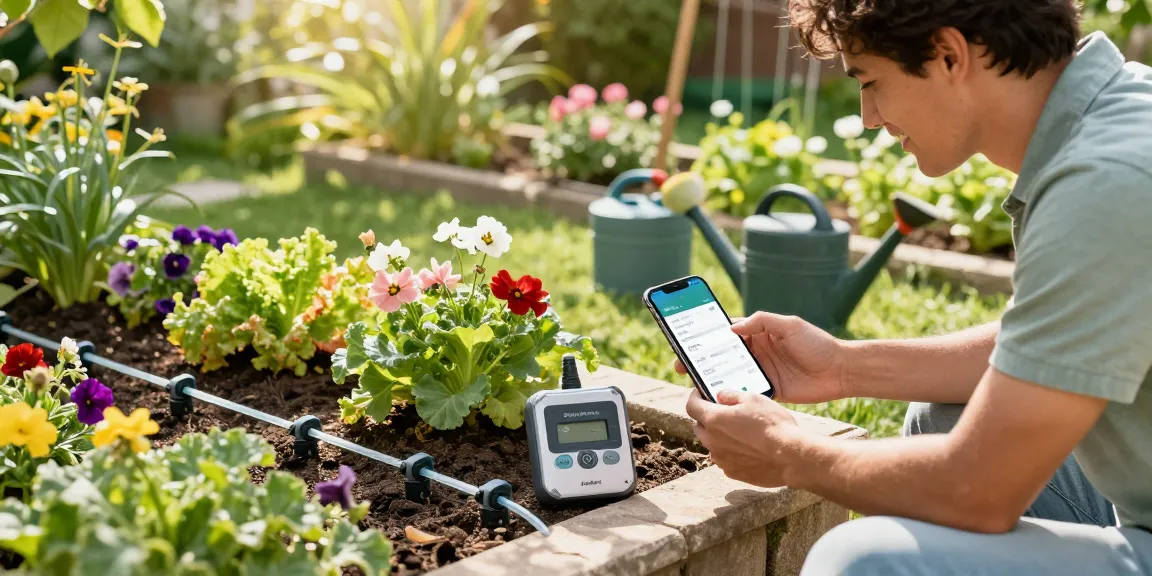
The Rainpoint app simplifies the configuration process. Download it from your device’s app store and follow the on-screen instructions to connect your controller via Wi-Fi. Here, you can set schedules, monitor moisture levels, and receive alerts about your watering system. This user-friendly interface ensures that even those new to smart gardening can navigate with ease.
Optimizing Water Usage with Rainpoint Technology
Understanding Soil Moisture Levels
One of the critical aspects of effective irrigation is understanding soil moisture levels. Rainpoint’s soil moisture sensors provide real-time data on moisture content, allowing you to adjust watering schedules accordingly. This data helps prevent over-watering during rainy periods and ensures that plants receive adequate hydration during dry spells.
Setting Watering Schedules and Zones
With Rainpoint, you can customize schedules to cater to different areas of your garden. For example, a vegetable garden may require more frequent watering compared to ornamental plants. This customization feature ensures that every plant gets the care it needs, promoting healthier growth and reducing water waste.
Monitoring Water Consumption and Savings
Rainpoint controllers come with features that track water consumption over time. This data not only helps you see how much water you’re using but also provides insights into potential cost savings. By optimizing your watering practices, you can significantly reduce your water bill while still maintaining a vibrant garden.
Common Challenges and Troubleshooting
Overcoming Installation Hurdles
Even with a user-friendly system like Rainpoint, installation can sometimes present challenges. Common issues include connecting the Wi-Fi network or improper placement of sensors. Refer to the installation manual for troubleshooting tips, and don’t hesitate to reach out to customer support if needed.
Connectivity Issues with Smart Features
While connectivity is generally stable, users may occasionally face problems with the app or Wi-Fi connection. Ensure that your device is within range of your router for the best performance. Resetting the connection or reinstalling the app often resolves these issues quickly.
Dealing with Plant-Specific Watering Needs
Different types of plants have varying water requirements. The beauty of Rainpoint controllers is their flexibility; you can adjust settings based on specific plant needs. For instance, succulents require less water, while flowering plants might need more. Monitoring plant health and making adjustments accordingly ensures that all vegetation thrives.
Future Trends in Smart Irrigation
Innovations in Water Conservation Technology
The field of smart irrigation is rapidly evolving, with new technologies emerging to enhance efficiency further. Innovations such as AI-driven algorithms analyze weather patterns and adjust watering schedules in real-time, making gardening even easier and more sustainable.
Predictions for Gardening in 2026
As we look toward 2026, the integration of IoT (Internet of Things) devices will likely become standard in home gardening systems. This means enhanced connectivity, automated adjustments based on environmental changes, and even integration with smart home ecosystems, providing seamless control over gardening tasks.
Integrating IoT in Home Gardening Systems
IoT technology will allow for real-time monitoring of garden conditions, enabling users to fine-tune not just watering but also lighting, humidity, and temperature controls. This level of control will enhance plant care and could lead to more sustainable practices in urban gardening.
What Are the Benefits of Using Rainpoint Systems?
Rainpoint systems offer a multitude of benefits, including improved water efficiency, the convenience of automation, and specific plant care customization. This technology allows gardeners to focus on enjoying their plants rather than worrying about the logistics of watering them.
How Do Soil Moisture Sensors Improve Irrigation Efficiency?
Soil moisture sensors play a crucial role in ensuring that plants receive just the right amount of water. By providing accurate readings, these sensors help prevent water waste while maintaining optimal hydration levels for healthy plant growth.
Are Rainpoint Products Easy to Install for Beginners?
Yes, Rainpoint products are designed with user-friendliness in mind. The installation process is straightforward, with clear instructions provided in the manuals and the app, making it accessible even for those new to smart gardening.
Can I Monitor My Garden Remotely with Rainpoint?
Absolutely! One of the key features of Rainpoint irrigation controllers is the ability to monitor and manage your watering system remotely via the Rainpoint app. This capability allows you to adjust settings and schedules from anywhere, providing ultimate convenience.
What Maintenance Is Needed for Rainpoint Irrigation Controllers?
Maintenance of Rainpoint systems is minimal. Regularly check the sensors and hoses for clogs or damage, and ensure that your controller is updated with the latest software. This will help maintain efficiency and prolong the life of your system.